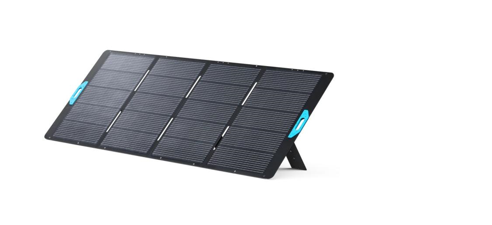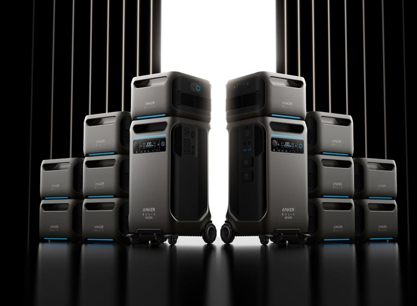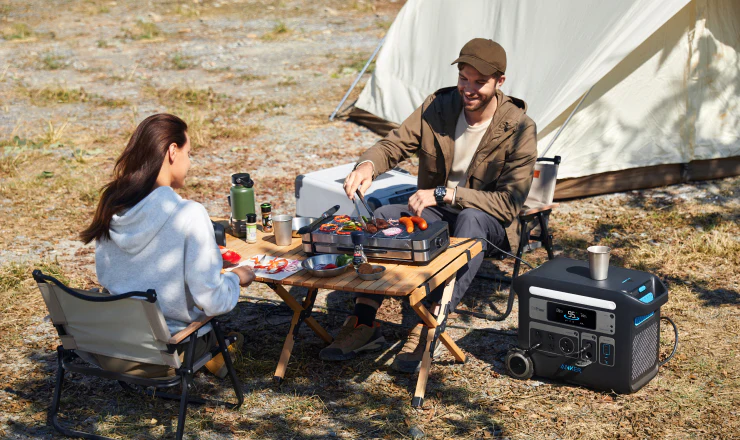
Solar generators manage power differently from fuel-based systems, and that difference becomes most visible when the load approaches the device’s upper limit. Overload events happen when connected appliances demand more wattage than the generator can safely deliver. Instead of allowing components to overheat or voltage to collapse, modern systems use sensors, software, and protective circuits to maintain stability. A model like the Anker SOLIX F2000 Solar Generator + 400W Solar Panel demonstrates how advanced load management prevents failures even when users connect high-demand appliances or operate multiple devices at the same time. Understanding these mechanisms helps users plan safer, smoother energy workflows and avoid accidental shutdowns during important tasks.
The Core Systems That Keep Solar Generators From Overloading
Real-Time Load Monitoring Identifies Rising Demand Before It Becomes a Problem
Inside every portable solar generator, microprocessors measure power flow from the inverter to the output ports. These processors track wattage in real time and detect when load levels approach the maximum safe limit. Instead of waiting for a sudden spike or a dangerous surge, the system analyzes demand continuously and adapts its internal power distribution. This behavior prevents electrical stress from reaching fragile components. In practice, this means a user can plug in additional appliances, and the generator will immediately evaluate whether the added load is safe. Models such as the Anker SOLIX F2000 integrate these monitoring functions into their Smart App controls, giving users visibility into wattage use and charging behavior. This transparency helps prevent overload situations because users can actively adjust their setup before the generator enforces a shutdown.
Intelligent Inverter Protection Regulates Output to Protect Internal Components
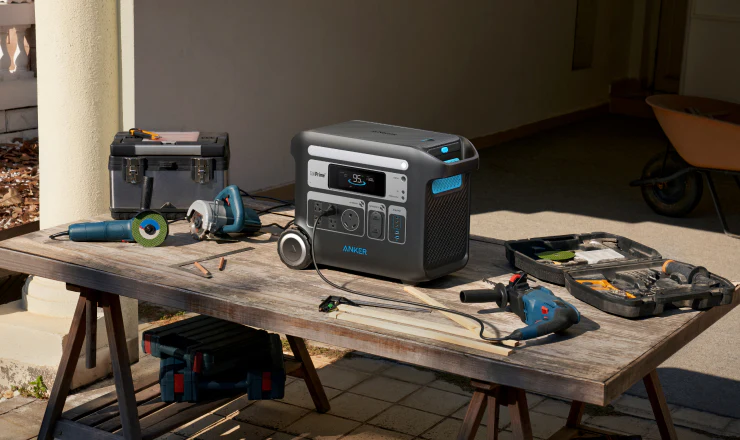
The inverter is the heart of a portable solar generator, responsible for converting stored DC energy into stable AC electricity. Overload protection begins here. When total demand approaches the inverter’s limit, the system automatically regulates output to avoid overheating or voltage instability. Engineers design these inverters with protective circuitry that reacts within milliseconds, ensuring sensitive electronics never encounter erratic voltage. If a high-demand appliance such as a microwave or power tool draws a brief surge, the inverter compensates without allowing a dangerous overshoot. In the Anker SOLIX F2000, this stability enables users to operate demanding home appliances while maintaining consistent current delivery. The inverter’s protective structure not only prevents overload but also extends the lifespan of internal components, since they never operate outside approved electrical thresholds.
Port-Level Safeguards Control Multi-Device Power Distribution
Solar generators divide their total output across multiple ports, and each port has its own protection system. When users plug devices into several ports at once, the generator evaluates each path independently and prevents localized overload. This is especially important with AC ports, which often handle heavier loads. If one device attempts to draw more power than its port can safely deliver, the generator shuts down that individual pathway rather than the entire system. This allows other connected appliances to continue running without disruption. The Anker SOLIX F2000 supports up to 12 devices simultaneously, and its port-level regulation ensures stable operation during complex power setups. This multi-layered distribution prevents cascade failures, which are common in systems lacking granular protection.
The Protective Behaviors That Prevent Full System Shutdown
Overcurrent and Overvoltage Sensors Trigger Instant Protective Actions
To prevent overload, solar generators use embedded sensors that react the moment electrical conditions exceed safe ranges. Overcurrent protection activates when load levels rise too sharply, while overvoltage protection stabilizes the system during irregular electrical behavior from connected devices. Instead of allowing the system to run in unsafe states, these sensors trigger instantaneous responses: lowering output, isolating ports, or initiating a controlled shutdown. These actions protect both the generator and the user’s appliances. A model such as the Anker SOLIX F2000 includes automated UPS functions that help maintain consistent power, reinforcing stability when conditions change quickly. Although these responses happen behind the scenes, they eliminate the risks of component stress, overheating, and damage.
Temperature-Driven Protection Ensures Safe Operation Under Heavy Loads
Electrical overload and heat buildup are closely linked, so thermal protection is essential. Sensors inside the generator track temperature at critical points—battery terminals, inverter circuitry, and cooling channels. When temperatures climb toward predefined limits, the system acts long before damage occurs. It may temporarily reduce power delivery, activate additional cooling behavior, or isolate the heaviest load. Advanced temperature regulation, like the smart cooling architecture in the Anker SOLIX F2000, monitors heat conditions up to 100 times per second. This level of oversight ensures the generator maintains safe operating temperatures even during extended high-demand sessions. Users benefit from longer component lifespan, stable output, and reduced risk of thermal shutdowns.
See also: The Future of Energy TechnologyThe Future of Energy Technology
Automatic Shutdown Functions Create a Safety Net for Extreme Situations
If monitoring systems detect a condition that cannot be corrected through regulation, the solar generator initiates a complete shutdown. This is a protective measure—not a failure. The shutdown prevents electrical pathways from carrying unsafe current and avoids potential damage to appliances or internal components. Once the overload source is removed, users can restart the system without long-term consequences. Solar generators like the Anker SOLIX F2000 are engineered so that shutdown occurs only when absolutely necessary, after all load regulation and safety mechanisms have been applied. This layered defense structure ensures reliability while still keeping users informed through app alerts and onboard indicators.
Conclusion
Solar generators prevent overload situations through a combination of intelligent monitoring, electronic protection, thermal management, and controlled shutdown behavior. They track power flow constantly, regulate inverter output, and manage each port independently to keep energy delivery stable. When loads rise quickly, sensors react within milliseconds to prevent dangerous electrical conditions. Temperature monitoring adds an additional layer of protection, ensuring heavy use never pushes components beyond their safe thermal range. Together, these systems create a resilient power platform that supports demanding environments, from work-from-home setups to outdoor operations.