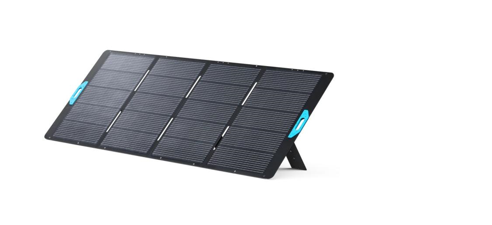
Portable solar power systems offer a flexible and sustainable way to meet energy needs. To make the most of these systems, optimizing capacity is crucial. Without effective capacity management, you risk underutilizing your setup or facing power shortage issues. This guide will delve into the key tips for maximizing capacity, ensuring your solar power system can meet demands efficiently. From understanding energy needs to choosing the right battery capacity and maintaining system performance, we will cover all essential aspects to help you get the best results from your solar investment.
Understand Your Energy Needs First
The first step in optimizing your solar power system is understanding your energy needs. Knowing what devices you’ll be powering and their energy requirements is foundational.
List All Devices and Power Ratings
Start by making a comprehensive list of every device you intend to power with your solar energy system. This could include lighting fixtures, laptops, mobile phones, routers, fans, or small household appliances, and each item will have its own specific power rating. Carefully check product labels, user manuals, or manufacturer websites to find accurate wattage details, and record these numbers clearly. Understanding exactly what you plan to run—and how much power each device consumes—allows you to calculate total energy demand accurately, ensuring your system is properly sized to prevent inefficiency, underperformance, or potential overloading.
Calculate Total Daily Watt-Hours
Once you have created a complete list of all the devices you plan to power, the next step is to calculate your total daily energy consumption in watt-hours. For each device, multiply its rated wattage by the number of hours you expect to use it per day. This will give you the daily watt-hour usage for that specific item. After calculating each one, add them together to determine your overall daily watt-hour requirement. This total serves as a critical baseline for choosing the correct battery capacity and ensuring your solar system can reliably meet your energy needs without unexpected shortages. Many people evaluating the best solar generator overlook this calculation, yet it is one of the most important steps in preventing underperformance or overspending.
Add a Safety Margin for Efficiency Losses
Ensuring a reliable energy supply requires accounting for unavoidable efficiency losses in your system. Batteries lose energy during charging and discharging, and solar panels rarely operate at their rated output due to temperature changes, shading, dust, and shifting sunlight angles. To avoid unexpected shortfalls, it’s wise to add a safety margin of around 20–30% to your calculated daily watt-hour needs. This extra buffer helps maintain stable performance during cloudy weather or high demand, reducing the risk of power interruptions and extending overall system reliability.
Choose the Right Battery Capacity & Output
Choosing the right battery capacity and output involves aligning your system’s energy storage with your consumption needs. Ensure your battery can store enough energy for your daily usage.
Match Wh to Real Use Cases
When selecting battery capacity, it’s important to match the watt-hours (Wh) rating to your actual energy needs rather than relying on rough estimates. Start by analyzing your typical daily electricity consumption, including peak usage periods and essential appliances. Factor in seasonal variations and potential future increases in demand. Proper planning ensures the battery can store sufficient energy without unnecessary overspending on oversized systems. By evaluating real-world usage scenarios, you can manage resources more efficiently, prevent energy shortages, and achieve balanced, optimized performance from your solar power system.
Consider Practical Output (Watts) Alongside Capacity
Battery capacity is crucial when selecting a power system, but it’s equally important to evaluate the practical output measured in watts. Capacity tells you how much energy the battery can store over time, while output determines how much power it can deliver at any given moment. Always consider both peak and continuous load ratings to match your system’s real-world demands. This ensures your setup can handle startup surges and sustained usage without overload, shutdowns, or reduced performance, keeping your devices running safely and efficiently.
Expandability and Future-Proofing
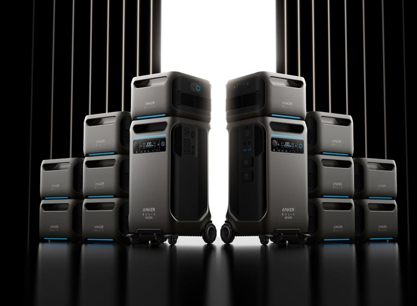
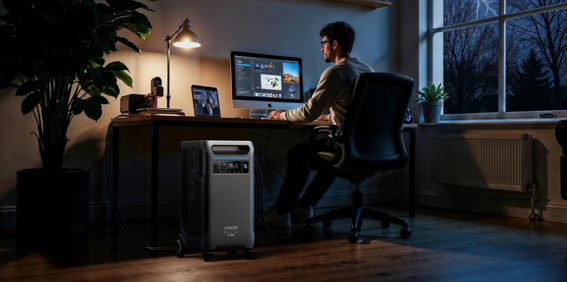
When planning your solar investment, it’s wise to think beyond your current energy usage and prepare for future growth. Expandable systems such as the Anker SOLIX F3800 Plus provide that flexibility. With a starting capacity of 3.84 kWh and the ability to scale up to 53.8 kWh, it adapts easily as your household or business energy demands increase. This modular approach allows you to add storage over time, avoid premature replacements, maximize long-term performance, and protect the overall value of your investment.
Practical Tips to Maintain Maximum Capacity
Maximizing system capacity requires mindful maintenance. Focusing on key practices can preserve battery health and optimize solar panels’ efficiency, ensuring peak performance and longevity.
Avoid Deep Battery Discharges Too Often
Frequent deep discharges can significantly degrade battery health over time, leading to reduced lifespan, lower efficiency, and diminished overall performance. When a battery is repeatedly drained to very low levels, internal stress increases, which accelerates wear on its chemical components. To protect your investment, it’s best to keep discharges within a safe range—generally avoiding drops below 20–30% of total capacity. Maintaining this buffer helps preserve battery integrity, ensures reliable power availability, and supports the stable, long-term performance of your solar energy system.
Keep Battery and Panels in Good Condition
Regular inspection and maintenance of solar panels and batteries are essential for ensuring long-term performance and efficiency. Solar panels should be cleaned periodically to remove dust, dirt, leaves, and other debris that can reduce sunlight absorption and lower energy output. It’s also important to check for any cracks, shading issues, or loose mounting components. Batteries should be stored in a cool, dry place, with terminals kept clean and connections tightly secured. Performing these simple maintenance tasks helps maximize energy efficiency, extend system lifespan, and prevent costly repairs.
Monitor Load and Adjust Usage
Continuously monitor your energy load and make informed adjustments based on real-time performance data. By tracking usage trends and system metrics, you can quickly identify inefficiencies or unusual spikes in demand. Take a proactive approach to managing consumption patterns, especially during peak demand periods when systems are under greater strain. Strategic adjustments not only help balance loads and prevent overloads but also preserve overall capacity. This ongoing optimization is essential for maintaining system stability, reducing operational risks, and maximizing long-term energy output efficiency.
See also: The Future of Energy TechnologyThe Future of Energy Technology
Conclusion
Understanding energy needs, choosing suitable battery capacity, and practicing regular maintenance are key to maximizing portable solar system capacity. With careful planning and management, your system can efficiently meet your daily power needs and adapt to future demands. Prioritizing these strategies helps optimize the long-term value of your solar investment, ensuring reliable energy output, reducing dependency on traditional power sources, and promoting sustainable energy solutions. Focus on adaptability and proactive management for the most rewarding solar experience.