Choosing the right time to install solar panels can directly affect energy production and the overall efficiency of a household system. Factors such as weather conditions, daylight hours, and seasonal workloads play an important role in determining the best period for installation. Timing also influences costs, contractor availability, and how soon a home can benefit from solar electricity and solar battery backup. Each season presents both opportunities and challenges that homeowners should carefully consider. Being aware of these factors ensures a smoother installation process and more reliable energy generation. In this article, readers will learn when each season may be ideal for solar installation and how to select panels suited to household needs.
1. Spring: Ideal Weather, Faster Installation
Spring offers mild temperatures and generally stable weather, creating ideal conditions for installing solar panels. Roof surfaces are rarely slippery, and extreme heat is not yet a concern, making the work environment safer and more comfortable for installers. Contractor schedules are typically easier to book before the busy summer season begins, which can shorten project timelines. Occasional spring showers may temporarily delay work, but these interruptions are usually brief and manageable. Daylight hours are increasing, allowing installation teams to complete more work each day without compromising quality. Installing in spring ensures that homes can fully capitalize on high solar energy production during the longer days of summer.
2. Summer: Long Days, But Busy Schedules
Summer provides extended daylight hours, which enables installers to work longer and potentially finish projects more quickly. This season also coincides with peak energy usage for many households, especially for cooling systems, meaning immediate energy savings can be maximized. However, the high demand for installers during the summer may result in longer wait times or higher labor costs. Hot rooftop conditions require careful safety planning, including hydration and sun protection. Homeowners can benefit from quick energy gains during peak production periods, especially when combined with solar battery backup systems. Weighing these advantages against potential scheduling and cost pressures is essential to choosing the optimal installation time.
3. Fall: Peak Demand, But Still Good Weather
Fall provides comfortable temperatures and reduced heat stress, making rooftop work easier for both homeowners and installers. While demand may increase as households seek to complete projects before winter or tax deadlines, weather conditions generally remain stable and favorable. Panels installed in the fall can capture the remaining high-intensity sunlight before winter, maintaining energy production and supporting a consistent home electricity supply. This period also allows homes to prepare for seasonal energy needs, such as heating systems or increased indoor electricity use. Contractors may be busier than in spring or winter, but early planning can secure a convenient installation window. Fall installations balance favorable weather, strong energy output, and preparation for the colder months ahead.
4. Winter: Slow Season, Potential Savings
Winter is typically the least busy season for solar panel installation, which may offer cost savings and flexible scheduling. Shorter daylight hours and cold temperatures can slow progress, but these challenges are manageable with proper planning. Snow and ice may temporarily delay rooftop work, but appropriate safety measures mitigate risks. Homes can install panels in winter and be ready to harness energy in the spring, ensuring a rapid return on investment once longer days arrive. Lower demand during this period may also allow homeowners to negotiate better pricing or receive off-season incentives. Winter installations are practical for mild climates and provide opportunities for cost efficiency without sacrificing long-term energy production.
5. The Real Best Time: When You’re Ready
Tax Credit Deadlines May Drive Timing
Financial incentives, including federal tax credits and local rebates, can significantly influence installation timing. Being aware of deadlines ensures eligibility for maximum savings and helps prioritize project scheduling. Missing these deadlines may reduce potential financial returns and affect the overall cost-effectiveness of the system. Timing installation with incentives in mind allows households to secure both immediate and long-term benefits. Planning around tax credits ensures energy investments remain cost-efficient and impactful. Coordinating these deadlines with seasonal considerations maximizes both financial and energy outcomes.
Softer Demand Periods Mean Better Pricing
Installing during off-peak times can result in more competitive pricing and faster scheduling. Less busy periods allow installers to dedicate additional time to quality and detail, ensuring long-term system reliability. Homeowners benefit from reduced stress and more flexible appointment windows. Choosing these periods also supports smoother coordination with other household activities and schedules. Cost savings, convenience, and efficient installation all improve when off-peak periods are leveraged. Thoughtful planning around demand fluctuations can enhance both short-term affordability and long-term performance.
Choosing the Right Solar Panel
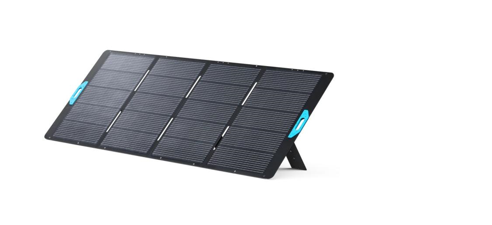
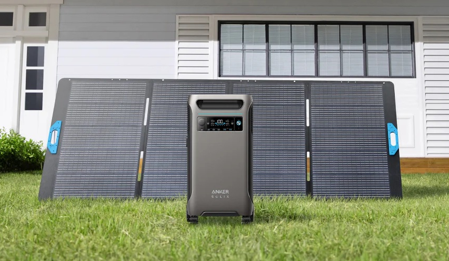
Selecting panels that match household energy requirements and roof space is critical for efficient performance. High-efficiency panels optimize energy production even in limited sunlight conditions, ensuring reliable power for the home. For households seeking a practical and portable solution, Anker panels solar home provide durable construction with high-efficiency cells, making them suitable for both primary power and supplementary solar battery backup. Their versatility and compact design make installation easier and support consistent energy output for a panel’s solar home setup. Choosing panels suited to your home ensures maximum energy capture and seamless integration with existing energy systems. Proper selection reduces maintenance needs and enhances overall household energy reliability.
6. Plan Ahead for Permits and Inspections
Approval Processes Take Weeks
Securing necessary permits is a vital step that can take several weeks, depending on local regulations. Submitting applications early prevents delays and ensures compliance with building codes and safety standards. Knowing which documents and approvals are required allows homeowners to coordinate efficiently with installers. Any delays in permitting can push installation into less favorable weather or high-demand periods. Early planning ensures smoother project execution and avoids last-minute complications. Completing approvals on schedule supports timely and effective solar panel deployment.
See also: The Future of Energy TechnologyThe Future of Energy Technology
Factor Lead Time Into Your Seasonal Choice
Considering lead times for equipment delivery and installation ensures that projects align with preferred weather conditions and household availability. Panels may take several weeks to arrive, particularly during high-demand seasons, so planning avoids unnecessary delays. Factoring in lead times prevents rushed installations and ensures safety and quality are maintained. Coordination between suppliers, contractors, and homeowners is essential for efficient project completion. Proper scheduling supports long-term energy performance and maximizes financial returns. Planning around lead times ensures installations occur efficiently and without compromise.
Conclusion
Determining the best time to install solar panels requires evaluating seasonal conditions, contractor availability, financial incentives, and household readiness. Each season offers unique advantages that can influence speed, cost, and energy output. Proper planning around tax credits, off-peak periods, and lead times ensures an efficient installation with minimal disruption to daily life. Selecting high-quality panels, such as Anker Solar Panels, supports reliable energy generation and integrates smoothly with a solar home system, including solar battery backup solutions. Combining thoughtful timing with appropriate panel selection allows homeowners to maximize energy production, cost savings, and the long-term benefits of solar power.