You remind your kids to brush, you buy the floss, you try to keep sugar in check, and somehow teeth cleaning still turns into a daily argument. If you are caring for children, teens, older parents, or all three at once, oral hygiene can feel less like a routine and more like a moving target. That stress is real, and many families turn to family dentistry Albuquerque for support. Habits are hard to build at home when life is busy, people have different needs, and dental visits often happen only after something hurts.
This is where a family dentist changes the pattern. Good dental care is not just about fixing cavities. It is about helping each person in your home learn simple habits that fit real life and last for years. How Family Dentists Encourage Lifelong Positive Oral Hygiene Habits comes down to consistency, early guidance, and care that grows with your family.
Family dentists build trust that makes oral hygiene easier to follow
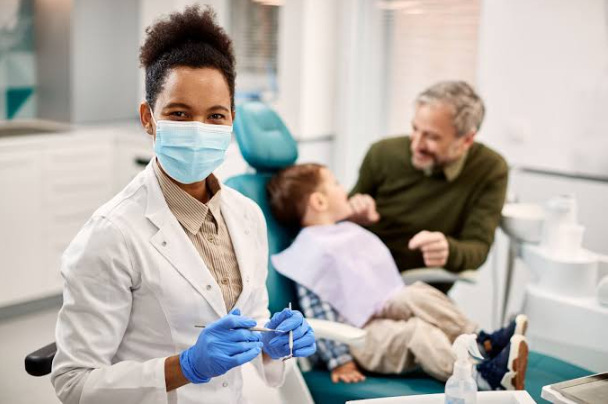
Children notice tone before they understand instructions. If dental care feels scary, rushed, or tied to shame, they carry that feeling into brushing at home and checkups later on. Adults do the same, even if they hide it better. A family dentist who sees everyone over time can reduce that tension because the office becomes familiar, expectations stay clear, and the message stays steady.
That consistency matters more than people think. A child who hears the same brushing advice at every visit starts to treat it as normal, not optional. A teenager with braces gets practical coaching instead of vague reminders. A parent with bleeding gums hears what is happening early, before it turns into a more expensive problem. An older adult with dry mouth or medication changes gets care that matches what their body needs now, not what worked ten years ago.
Family dental care works best when it connects the small daily choices at home with professional guidance. The habits are simple, but the follow through is where most families get stuck. A dentist can catch the gap between what you mean to do and what is actually happening.
Positive oral hygiene habits start early and stay stronger with routine care
The hardest part of oral health is rarely knowing that brushing matters. It is keeping the routine going when mornings are rushed, kids resist, and no one sees a problem yet. Teeth can look fine while plaque builds near the gumline, flossing gets skipped, and sugary drinks become an everyday habit. Pain usually shows up late. Cost usually shows up after that.
This is why preventive care has such a strong effect over time. Regular cleanings and exams give families repeated chances to reset habits before damage builds. A family dentist can show a child how to angle the toothbrush, explain to a teen why mouthwash does not replace flossing, and help adults spot signs of gum disease early. According to the National Institute of Dental and Craniofacial Research oral hygiene guidance, daily brushing with fluoride toothpaste and cleaning between teeth are core parts of protecting oral health.
The value is not only clinical. It is behavioral. Repetition builds identity. A child starts to think, “This is what we do.” An adult who avoided dentists for years begins to see visits as maintenance, not crisis care. That shift is how lifelong oral health habits actually form.
A family dentist helps each age group handle different oral health risks
Oral hygiene advice should not sound the same for a six year old, a college student, and a grandparent. Family dentists are trained to adjust care across life stages, which makes their guidance more realistic and easier to use.
Young children need help with brushing technique, diet habits, and comfort in the chair. School age kids often need sealants, cavity prevention, and reminders that brushing before bed is not negotiable. Teens may deal with sports guards, braces, wisdom teeth, and a growing habit of energy drinks or frequent snacking. Adults face stress grinding, skipped appointments, and signs of gum disease. Older adults may need support for dry mouth, receding gums, worn dental work, or dexterity issues that make flossing harder.
The Centers for Disease Control and Prevention shares practical oral health tips for adults that reinforce this idea. Oral care changes with age, health conditions, and daily routines. A family dentist sees those changes early and keeps the advice grounded in what you can actually do.
Daily home care and professional dental care work better together
Many families fall into one of two traps. They either assume brushing at home is enough, or they treat cleanings as the fix for weak home habits. Neither one works well on its own. Good home care controls plaque every day. Professional care reaches the spots people miss, tracks changes over time, and catches problems before they become painful or costly.
| Approach | What It Helps With | What It Misses |
|---|---|---|
| Home care only | Daily plaque control, fresher breath, habit building | Tartar buildup, hidden decay, gum disease signs, bite issues |
| Dental visits only | Professional cleaning, exams, early diagnosis, tailored advice | Daily plaque return between visits, inconsistent brushing and flossing |
| Home care plus family dentist visits | Stronger prevention, earlier treatment, better long term habits | Requires routine and follow through |
That last row is where the real progress happens. Public health goals continue to focus on prevention because oral disease is common and often avoidable with steady care. The Healthy People oral health objectives reflect the same point. Better habits and regular care reduce disease burden across the lifespan.
Small changes at home make family dental guidance stick
Set one routine everyone can follow.
Pick fixed times for brushing, usually after breakfast and before bed, and protect them like any other daily task. Keep supplies visible and easy to reach. If your child struggles, use a timer or brush together. If you are the one who skips flossing, put it where you will see it, not hidden in a drawer.
Ask for specific coaching at the next visit.
General advice fades fast. Ask the dentist to show proper brushing angles, flossing methods, or tools that fit braces, bridges, or sensitive gums. If your child resists brushing, say that plainly. If your teen drinks soda every day, bring it up. If an older parent cannot grip floss well, ask for alternatives. Clear, personal advice gets used.
Focus on progress, not perfection.
Shame does not build habits. Tracking small wins does. Fewer skipped nights, better brushing time, less plaque at the next cleaning, and fewer cavities all count. Families do better when oral hygiene is treated as a skill that improves with practice, not a test people keep failing.
See also: How Staffing Agencies Improve Hiring Success
Lifelong oral hygiene habits grow from steady support
You do not need a perfect routine to move your family in the right direction. You need support that fits real life, catches problems early, and keeps the message consistent year after year. That is what a family dentist provides. With the right guidance, oral hygiene stops feeling like a constant battle and starts becoming a normal part of how your household cares for itself.
If your family is ready to build healthier routines and keep them, schedule a visit with a trusted family dentist.