You paid for your smile, and you want it to last. That is the part people do not always say out loud. A crown, a bonded tooth, or a set of veneers can fix damage, improve shape, and help you feel like yourself again, but once the work is done, a new worry often shows up. You start wondering whether one hard bite, one missed cleaning, or one bad habit will shorten the life of that dental work, which is why family dental care in Sioux Falls can play an important role in protecting your investment.
That concern makes sense. Restorations are strong, but they are not immune to plaque, grinding, decay around the edges, or inflamed gums. Preventive care protects the tooth under the restoration and the tissues around it. When those stay healthy, crowns, bonding, and veneers usually last longer, look better, and need fewer repairs.
Preventive dental care protects the work you already paid for
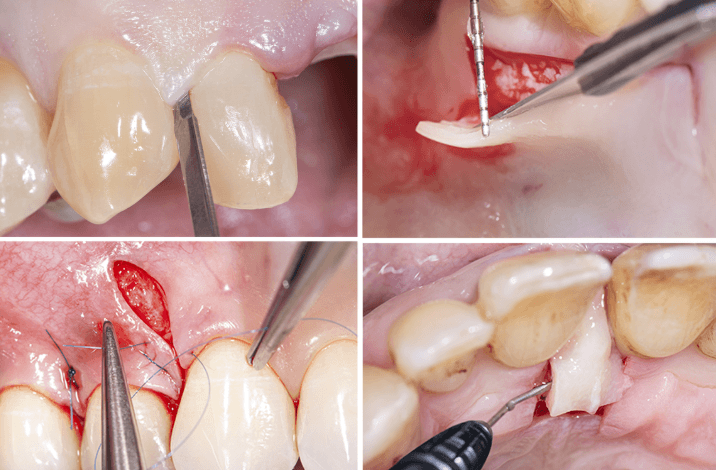
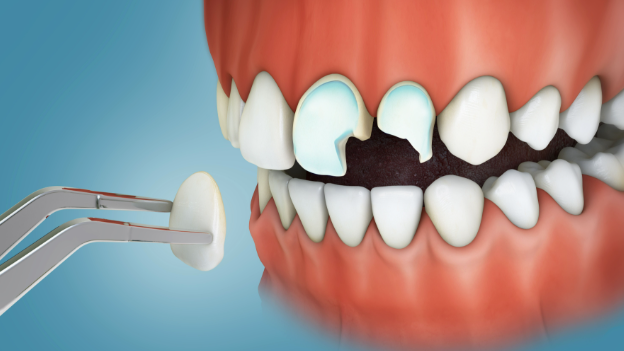
A crown covers a tooth, but the tooth underneath can still decay near the margin where the crown meets natural enamel. Bonding can chip or stain. Veneers can loosen if the tooth structure or bite is under stress. The weak point is often not the material itself. It is what happens around it.
If you skip cleanings because everything feels fine, small problems can grow quietly. Plaque hardens into tartar. Gums get puffy and start to pull away. Bacteria collect at the edges of a crown or veneer. You may not feel pain right away, which is why people get caught off guard when a dentist finds decay under an old crown or a bonded edge that has started to fail.
This is where preventive dental care for crowns, bonding, and veneers matters. Brushing with fluoride toothpaste, cleaning between teeth every day, and getting regular exams reduce the things that shorten the life of restorations. The CDC shares practical oral health tips for adults that support this kind of day to day protection.
There is also the bite itself. If you clench your jaw at night, your front veneers may take more force than they were meant to handle. If you chew ice or open packages with your teeth, bonding can chip. If your gums are inflamed, even a well placed crown can become harder to clean and more likely to trap bacteria. Small habits create long term outcomes.
Routine dental exams catch problems before restorations fail
You do not need a dramatic dental emergency for damage to start. A tiny leak at the edge of a crown can lead to decay under the surface. A veneer may still look good from the front while the gumline around it is getting irritated. A bonded tooth can wear unevenly if your bite has shifted.
Regular checkups help catch those issues early, when the fix is simpler and less expensive. A dental exam can reveal gum disease, bite changes, weak margins, and hidden decay before you end up needing replacement work. That matters because replacing a crown or veneer usually costs more than maintaining one.
Professional cleanings also do something home care cannot fully match. They remove hardened buildup in spots that are easy to miss, especially around the gumline and between teeth. If you have ever looked in the mirror and thought your smile seems fine, then felt surprised when a cleaning left it smoother and brighter, you already know the difference. Prevention is often quiet that way. It keeps problems from becoming obvious.
For patients who need treatment beyond maintenance, MedlinePlus offers a clear overview of restorative dentistry and the kinds of repairs used when teeth are damaged or missing.
Daily habits shape how long crowns, bonding, and veneers last
Maintaining dental restorations is less about doing anything fancy and more about being consistent. Soft bristles, non abrasive toothpaste, floss or interdental cleaners, and regular visits do more for longevity than most people expect. If you wear a night guard, wearing it actually matters. If your dentist tells you a certain tooth is taking too much force, that warning is worth taking seriously.
Food choices matter too. Sticky candy can tug at bonded areas. Frequent sipping of sugary or acidic drinks raises the risk of decay at restoration margins. Smoking can stain bonding and affect gum health, which changes how veneers and crowns look over time. None of this means your dental work is fragile. It means your mouth is a system, and every part affects the others.
See also: How CPAs Support Sustainable Business Practices
Preventive care costs less than replacing damaged cosmetic and restorative dentistry
| Preventive step | What it helps prevent | Likely result for restorations |
| Brushing twice daily with fluoride toothpaste | Decay at crown margins and around bonded or veneered teeth | Better seal support and longer restoration life |
| Daily flossing or interdental cleaning | Plaque buildup between teeth and gum irritation | Healthier gums and lower risk of edge failure |
| Routine dental exams and cleanings | Hidden decay, tartar, bite changes, loose restorations | Earlier repair and fewer full replacements |
| Night guard for clenching or grinding | Chips, cracks, and stress fractures | Less wear on crowns, bonding, and veneers |
| Avoiding ice chewing and using teeth as tools | Sudden chips and fractures | Lower risk of avoidable damage |
Simple steps support long lasting dental work
Keep your recall visits on schedule. If your dentist wants to see you every six months, or more often because of gum issues or grinding, treat that like maintenance for an investment. Dental restoration longevity improves when small issues are found early.
Clean around restorations gently and thoroughly. Use a soft toothbrush, fluoride toothpaste, and floss or interdental brushes based on what fits your mouth. If you are unsure whether your technique is helping or hurting, ask for a quick demonstration at your next visit.
Protect your bite every day. Wear a night guard if you grind. Do not bite pens, fingernails, or hard foods with restored front teeth. Pay attention if a tooth starts feeling high or different when you chew. That can be the first sign that a restoration needs adjustment.
Your crowns, bonding, and veneers can last for years with the right care. General, cosmetic, and restorative dentistry does not end when the procedure is done. The real payoff comes from protecting that work before problems start.
If you have restorations that feel rough, look stained, or seem harder to clean than they used to, schedule a dental exam and get a clear plan for keeping your smile in good shape.