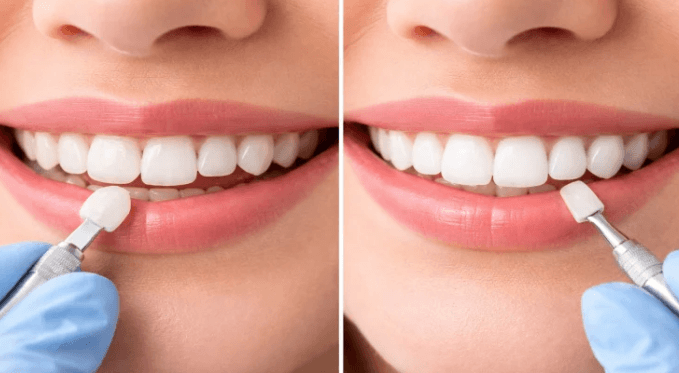
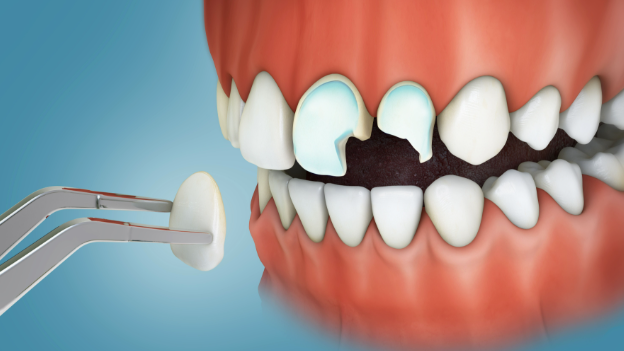
You may be looking at your smile and seeing more than one issue at once. A tooth that looks worn might also be sensitive. A gap that bothers you in photos might sit next to a filling that is starting to fail. You want cosmetic improvement, but you also do not want to spend money on work that ignores the health of your teeth and gums. That tension is real, and it is why a trusted dentist serving Romeo, MI understands how general dentistry supports patients considering cosmetic restorations so much.end
Cosmetic treatment works best when the basics are solid. A family and cosmetic dentist does not just focus on how teeth look. They check whether your bite is stable, whether decay is active, whether old dental work is holding up, and whether your gums can support the changes you want. That step protects your appearance, your comfort, and your budget.
General dental care creates the foundation for cosmetic restorations
Many people think cosmetic dentistry starts with whitening, veneers, or bonding. In real life, it often starts with a cleaning, updated X rays, and a close look at the health of your mouth. If a tooth has a hidden crack, if gum inflammation is present, or if an old filling is leaking, cosmetic work placed over those problems can fail early.
This is where general dental support for cosmetic treatment becomes practical, not abstract. A dentist may treat cavities first, replace worn restorations, or address grinding before recommending cosmetic changes. If you have ever thought, “I only wanted to fix the shape of one tooth, so why are we talking about my gums,” the answer is simple. Cosmetic results last longer when the foundation is healthy.
Fillings are a common example. A tooth colored filling can improve appearance and function, but the material choice, placement, and condition of the tooth all matter. The National Institute of Dental and Craniofacial Research has published information on dental materials research and advances, showing how material science affects strength, wear, and long term performance. That matters when a restoration needs to look natural and hold up under daily use.
A family and cosmetic dentist helps you avoid cosmetic work that hides deeper problems
A smile makeover can feel urgent when a chipped tooth catches your eye every morning. The risk is rushing into treatment that improves the surface while the underlying issue keeps getting worse. A front tooth chip may not be just cosmetic if your bite hits unevenly. Stains may not respond well to whitening if the color change comes from aging fillings or enamel loss. Crowded teeth may look like a cosmetic concern, yet gum irritation around them can affect treatment choices.
You also have to weigh cost. Cosmetic restorations often involve out of pocket spending, so repeating work because of untreated decay or bite stress can be frustrating. General dentistry lowers that risk by identifying what needs attention first. If a tooth needs a crown for strength, bonding alone may not be the best answer. If gum recession is exposing roots, whitening may increase sensitivity without giving you the result you hoped for.
Patients considering smile improvements often benefit from learning the basics of restorative options before committing. MedlinePlus offers a clear overview of dental restoration procedures, including how damaged teeth are repaired and what different treatments are meant to do. That kind of context helps you ask better questions during a consultation.
Healthy fillings, stable gums, and bite balance shape cosmetic outcomes
Cosmetic restorations do not exist in isolation. They sit inside a living system that includes enamel, dentin, gum tissue, saliva, and bite forces. A dentist who provides general and cosmetic care can connect those pieces. That is especially useful if you are deciding between bonding, veneers, crowns, or replacing older fillings in visible areas.
The National Institute of Dental and Craniofacial Research explains the types and uses of dental fillings, including factors that affect selection. In cosmetic planning, those factors include where the tooth is located, how much pressure it takes, whether moisture control is possible during placement, and how the restoration blends with nearby teeth.
| Issue found during general exam | Why it matters before cosmetic work | Possible next step |
| Untreated decay | Cosmetic material placed over active disease can fail or trap damage underneath | Remove decay and restore the tooth first |
| Gum inflammation or recession | Gums frame the smile and affect comfort, appearance, and margins of restorations | Cleaning, home care changes, periodontal treatment |
| Old or leaking fillings | Color mismatch and weakened tooth structure can limit cosmetic options | Replace restorations with materials suited to the tooth |
| Teeth grinding or bite imbalance | Extra force can chip bonding, crack veneers, or wear new work down | Bite adjustment, night guard, stronger restorative plan |
| Tooth sensitivity | Some cosmetic treatments can increase discomfort if the cause is not addressed | Identify source and treat before elective changes |
Clear steps make cosmetic dentistry feel less overwhelming
Start with a full diagnostic visit. Ask for a complete exam before choosing a cosmetic procedure. You need to know the condition of your gums, the status of existing fillings, whether any teeth are cracked, and how your bite functions. That appointment often changes the treatment plan in a good way because it replaces guesswork with priorities.
Ask which treatment is cosmetic and which is protective. Some care improves appearance and prevents future damage at the same time. Other treatment is mostly aesthetic. Knowing the difference helps you budget without confusion. If a dentist recommends replacing a visible filling, ask whether the reason is appearance, leakage, structural support, or all three.
Plan for maintenance before you commit. Cosmetic work needs upkeep. Ask how long the material typically lasts, what habits could shorten its life, and whether you may need a night guard or more frequent cleanings. A good plan includes the treatment itself and the routine that protects it.
Good cosmetic results begin with good general dentistry
If you are thinking about improving your smile, you do not need to choose between health and appearance. The best outcomes usually come from treating both together. General dentistry gives cosmetic care a stable base, helps you avoid preventable setbacks, and makes each decision clearer. When you are ready, schedule a consultation with a family and cosmetic dentist and get a plan that supports your teeth as well as your smile.