You whiten your teeth, wait for that brighter smile, then notice the crowns, fillings, or veneers still look exactly the same. That can feel frustrating fast, especially when you spent time and money expecting an even result. If your smile looks patchy after whitening, you are not imagining it. The reason is simple. Natural tooth enamel can respond to whitening agents. Dental restorations do not. A St. Thomas dentist can help you understand why this happens and what options may create a more even-looking smile.
That gap matters more than most people expect. A single front tooth filling that no longer matches can stand out every time you talk, laugh, or look in the mirror. If you already have visible dental work, whitening can improve the color of your natural teeth while leaving the restored areas behind, which often makes the mismatch easier to see, not less.
Natural Teeth and Dental Restorations Respond to Whitening in Different Ways
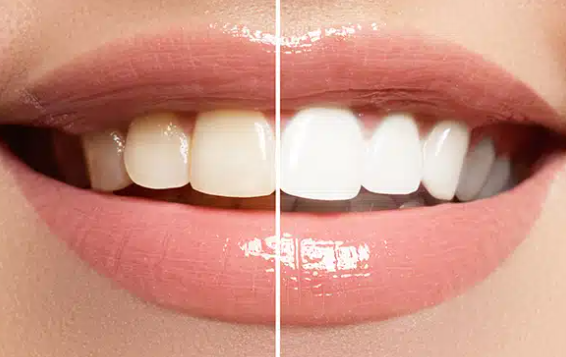
Natural teeth have enamel and dentin, and those tissues can hold stains from coffee, tea, wine, tobacco, and age. Whitening products work by using peroxide to break apart stain compounds inside the tooth structure. That is why bleaching can change the shade of natural teeth over time.
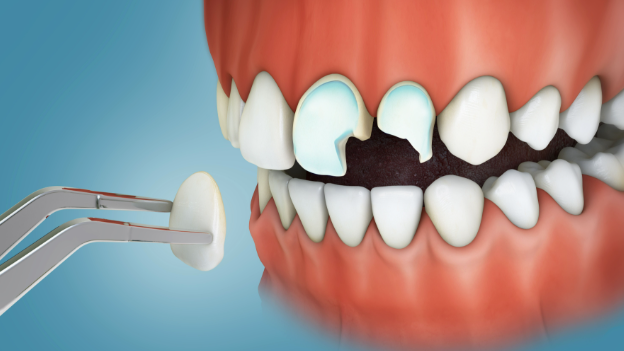
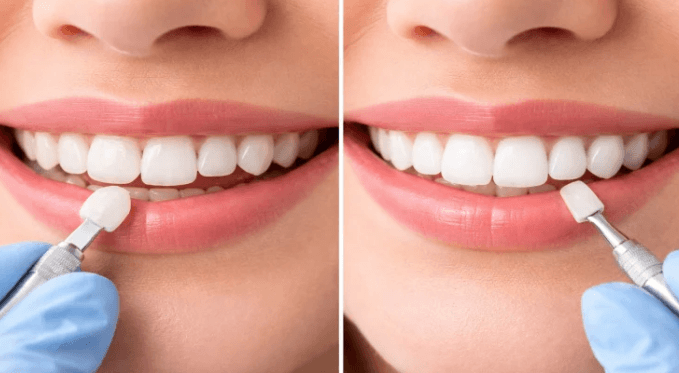
Restorations such as composite fillings, porcelain crowns, veneers, bonding, and bridges are made from different materials. They do not absorb whitening gel the way enamel does, so they do not bleach along with the surrounding teeth. This is the core answer to why fillings, crowns, and veneers do not whiten like teeth. The material is stable by design. That stability helps restorations last, but it also means their color stays put.
The American Dental Association explains that whitening products are intended for natural teeth and that existing restorations may not respond to treatment. You can read more in the ADA’s overview of tooth whitening.
Whitening Can Make Older Restorations More Noticeable
This is where the stress usually shows up. Maybe you have a crown on a front tooth from years ago, or small tooth colored fillings that blended in well enough before whitening. Once your natural teeth get lighter, the older dental work can look darker, flatter, or more yellow by comparison.
That does not mean the restoration failed. It means the color match that once worked no longer fits your new tooth shade. You may also notice this with bonding around edges, especially if the material has picked up surface stain over time. Surface stain can sometimes be polished off. Internal color does not change the same way.
The MouthHealthy resource on teeth whitening also notes that whitening will not affect crowns, veneers, or fillings. That is why planning matters before you start treatment.
Different Restorative Materials Create Different Cosmetic Limits
Not all restorations behave the same way, but none of them bleach like enamel. Composite bonding can stain on the surface, porcelain tends to resist stain better, and older materials often look more obvious after whitening because they were matched to a darker smile years ago. If you have several types of dental work, the final result can be uneven unless your treatment is coordinated.
This is one reason a family and cosmetic dentist often recommends whitening before replacing visible restorations. If the natural teeth are lightened first, new bonding, veneers, or crowns can be matched to the updated shade. If you reverse the order, you can end up replacing restorations twice.
DIY Whitening Can Add Cost Without Fixing the Real Problem
You might be tempted to keep whitening longer, switch strips, or try online hacks when the color looks uneven. That usually does not solve the mismatch. It can leave your natural teeth more sensitive while the restoration still stays the same color. If the issue is a crown or filling that no longer matches, more bleach is not the fix.
The University of Rochester warns that some DIY whitening trends can be misleading or harmful. Their review of DIY teeth whitening claims is a good reminder that not every brightening method is safe or useful.
| Situation | What Happens to Natural Teeth | What Happens to Restorations | What Usually Helps |
|---|---|---|---|
| Whitening strips or gel | May lighten several shades | No meaningful shade change | Whiten first, then reassess visible restorations |
| Older composite bonding | Can lighten if surrounding tooth is natural | May keep same base color and show surface stain | Polish, repair, or replace if mismatch remains |
| Porcelain crown or veneer | Nearby teeth may become brighter | Shade stays the same | Replacement only if appearance no longer matches |
| Uneven smile after whitening | Natural teeth look brighter | Restored teeth look darker by contrast | Cosmetic evaluation and shade matching |
Smart Next Steps for a More Even Smile
1. Identify which teeth have restorations. Many people do not remember every filling, bonded area, or older crown, especially if the work was done years ago. A quick dental exam can map out what is natural and what is not, which changes the whitening plan right away.
2. Whiten natural teeth before replacing visible dental work. If you know you want a brighter smile and also need a new front filling, crown, or veneer, the usual sequence is to whiten first. Then your dentist can match the new restoration to the lighter shade. This is often the cleanest answer to why existing dental restorations do not lighten the same way natural teeth do and what to do about it.
3. Ask for a cosmetic plan, not just a whitening product. If one front tooth has a crown and the other is natural, or if bonding sits on the edges of your smile, you need more than a box of whitening strips. A plan may include polishing, whitening, replacement of old restorations, or a mix of all three. That is how you get a result that looks intentional instead of patchy.
An Even Smile Usually Takes More Than Whitening Alone
If your teeth are not whitening evenly, there is a reason, and it is usually material based, not a failure on your part. Teeth whitening with existing dental work often improves natural enamel while leaving restorations unchanged. Once you know that, the next step becomes clearer. You are not chasing a stronger bleach. You are deciding whether the restored teeth should be polished, repaired, or replaced to match your brighter smile.
A skilled dentist can help you line up whitening and cosmetic treatment in the right order so the final color looks balanced. That kind of planning saves time, avoids extra cost, and gives you a smile that makes sense from every angle.