You look in the mirror and see more than one issue at once. One tooth is darker than the rest, another has a chip, an old crown no longer matches, and whitening alone will not fix the whole picture. That kind of smile concern can feel frustrating because each problem seems connected to the next. If you treat one area without thinking about the others, the final result can look uneven. A dentist in Hemet, CA can help create a plan that addresses the full picture.
That is why dentists often build one coordinated plan instead of treating every tooth as a separate project. How dentists combine crowns, bonding, and whitening comes down to timing, shade matching, and choosing the right treatment for each tooth. Whitening can brighten natural enamel. Bonding can reshape small flaws. Crowns can protect and restore teeth that need more support. When those steps are planned together, your smile has a better chance of looking natural instead of pieced together.
Cosmetic and general dental care work best when the sequence is planned
A common mistake is starting with the treatment that feels easiest. You may be tempted to whiten first with store products, then ask for bonding later, or replace a crown and hope it somehow blends with nearby teeth. The problem is simple. Dental materials do not all respond the same way. Natural teeth can lighten. Crowns and bonding materials do not whiten the way enamel does.
If you whiten after getting a new crown or fresh bonding, those restorations may stay the same color while your natural teeth become lighter. Then the repaired teeth stand out. If you place bonding before deciding on a final shade, the dentist may have to replace it later to match your brighter teeth. That adds cost and time you did not need to spend.
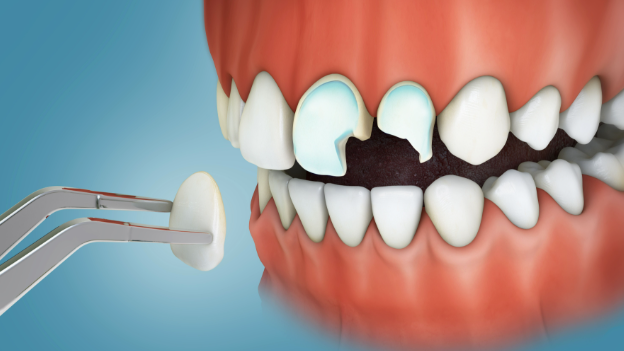
This is where a thoughtful smile makeover with crowns, bonding, and whitening matters. A dentist looks at the condition of each tooth, your bite, the color of your enamel, and how visible each area is when you talk or smile. A front tooth with a crack may need a crown because strength matters as much as color. A small edge chip on the next tooth may only need bonding. Teeth around them may benefit from whitening first so the final restorations can be matched to a lighter, stable shade.
General and cosmetic dentist care often overlaps here. This is not only about looks. A crown may be needed because a tooth is weak after a large filling. Bonding may protect a worn edge from getting worse. Whitening may be the last step people notice, but it is often only one part of the plan.
Whitening sets the shade for natural teeth before crowns and bonding are matched
When whitening is part of the plan, dentists usually want to know whether your natural teeth can safely be lightened first. The American Dental Association explains that whitening works on natural tooth structure and is not likely to change the color of fillings, crowns, or other restorations. You can read more about that on the ADA page about tooth whitening.
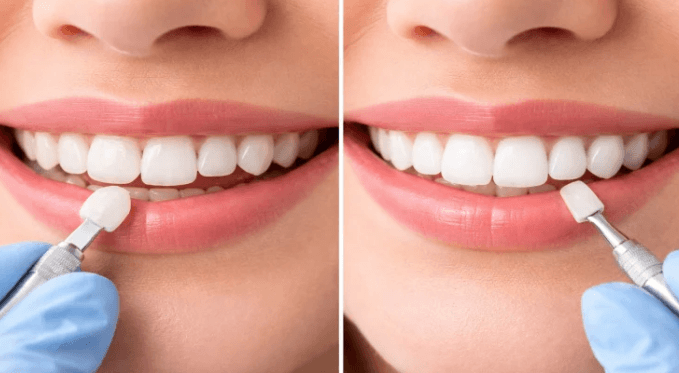
That detail changes everything. If your visible front teeth include both natural enamel and older dental work, the dentist may recommend whitening first, waiting for the shade to settle, then choosing the color for new bonding or crowns. This creates a more even result. If a tooth is badly discolored from injury or has deep internal staining, whitening may have limits, and a crown or bonding may be the better cosmetic answer.
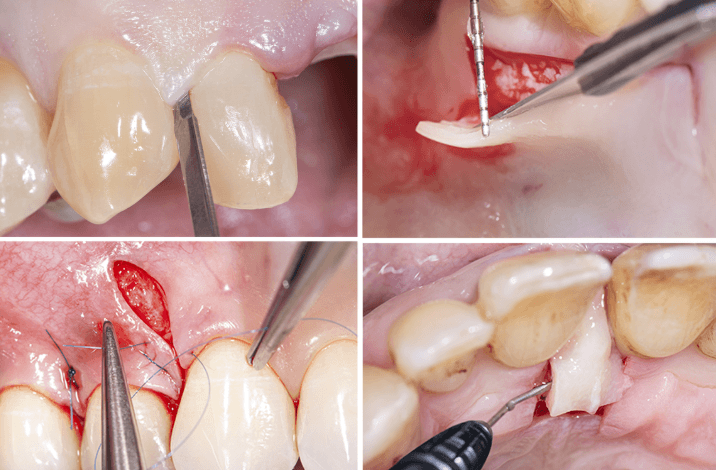
Some patients also need to think about tooth sensitivity, gum health, and the reason a tooth changed color in the first place. MedlinePlus outlines common points about dental crowns, including when a crown is used to restore a damaged or weakened tooth. If a tooth needs structural help, appearance alone should not drive the decision.
Comparing crowns, bonding, and whitening helps clarify the right blend
| Treatment | Best For | What It Changes | Limits to Know |
| Whitening | Natural teeth with surface or age related staining | Brightens enamel shade | Does not whiten crowns or bonding materials |
| Bonding | Small chips, gaps, worn edges, minor shape issues | Improves shape and color in small areas | May stain over time and can need touch ups or replacement |
| Crowns | Teeth with cracks, large fillings, weakness, major cosmetic damage | Covers the full visible tooth and restores strength and color | Requires more tooth preparation and does not lighten with whitening |
In real life, the best answer is often a mix. A patient with one dark root canal tooth, two worn front edges, and generally yellow teeth may whiten first, then get bonding on the worn edges, then a crown on the dark tooth matched to the new shade. Another patient with grinding damage may need crowns on certain teeth because bonding alone would chip too easily.
Small planning choices prevent an expensive mismatch later
The shade you choose is only one part of the result. Texture, translucency, tooth length, and bite pressure all matter. A bright white crown can still look off if the shape is too flat or the neighboring teeth are more translucent. Bonding can look beautiful, but if your bite hits that area hard every day, longevity becomes the bigger issue.
This is why the root service mention matters here. General and cosmetic dentist care should address health and appearance together. When a dentist plans these treatments as one system, you avoid the common cycle of whitening, replacing, redoing, and trying to chase a match that keeps changing.
Clear steps make a combined dental treatment plan easier to manage
Start with a full exam and shade discussion. Ask which teeth are healthy enough for whitening, which need repair first, and whether any old crowns or fillings are visible when you smile. Photos help. So does naming your goal clearly, whether that is a subtle cleanup or a brighter cosmetic result.
Decide on whitening before final restorations when possible. If your dentist says your natural teeth can be whitened safely, that often becomes the first cosmetic step. After the shade stabilizes, crowns and bonding can be matched more accurately.
Choose the right fix for each tooth, not one fix for all. A chipped edge may only need bonding. A weak tooth may need a crown. A healthy tooth with staining may only need whitening. The most natural smiles usually come from mixing treatments based on function, not forcing every tooth into the same solution.
If your smile concerns feel tangled together, that usually means they need one plan, not random fixes. The right sequence can save you from a patchwork result and help your teeth look consistent, healthy, and like they belong together. Reach out to schedule a consultation and find out how crowns, bonding, and whitening can be blended into a plan that fits your smile.